


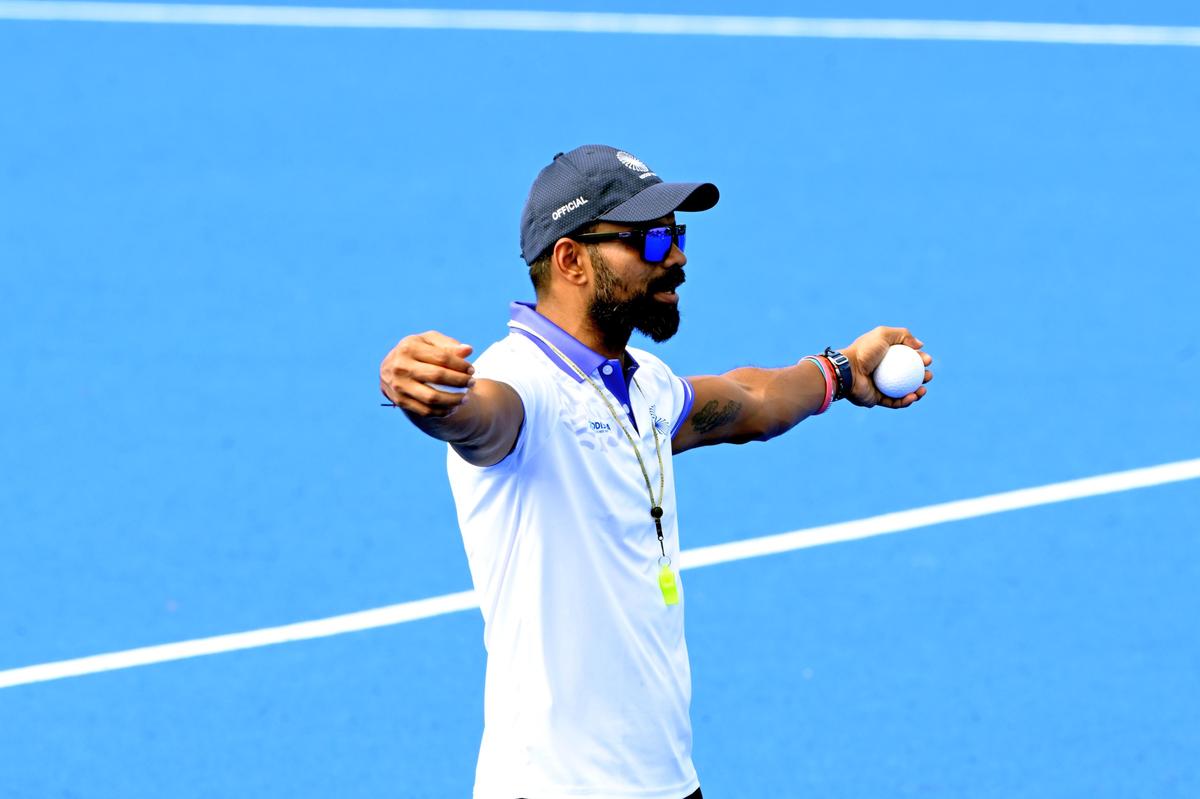
The back and forth between PR Sreejesh and Hockey India has been playing out publicly over the past 48 hours. Sreejesh posted a strongly worded statement questioning why Hockey India passed him over for a foreign coach despite four podium finishes from five events. Hockey India responded saying his contract ended in December 2025, they advertised the post, and selected a replacement on merit. They denied firing him. They also denied Craig Fulton had asked for a foreign junior coach.
Sreejesh came back with sharper questions. Hockey India offered him a role coaching the development squad. He asked who the players were, what the structure was, what camps were planned, what tournaments they were preparing for. Hockey India has not responded to his latest post on social media website X.
Read More: The Sreejesh Paradox: Why India’s Most Successful Junior Coach Was Passed Over for a Foreign Vision
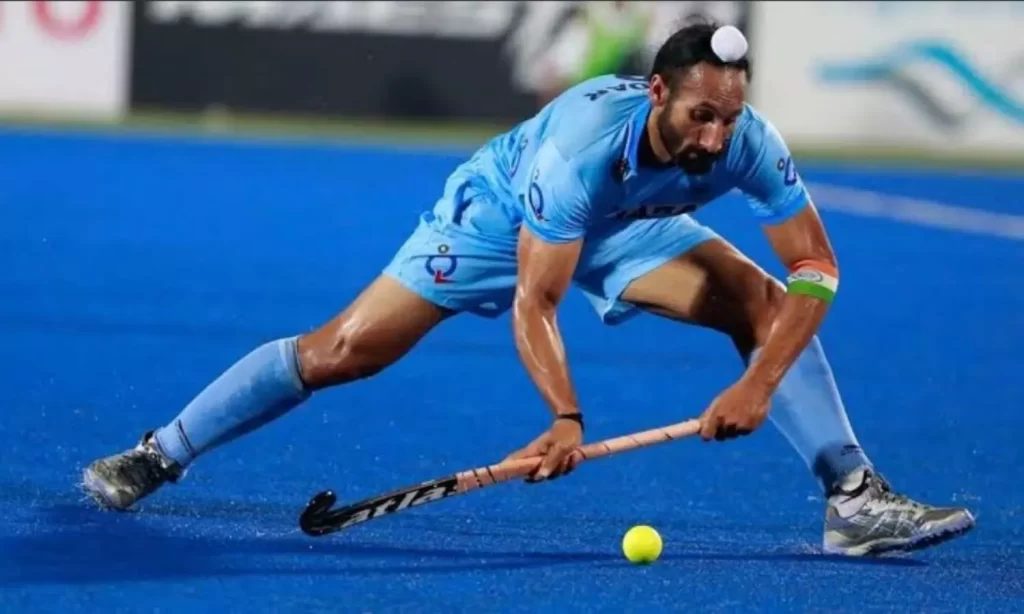
Hockey India named Sardar Singh as coach of the developmental squad, ideally to prepare the India A side for the Commonwealth Games. He ended up coaching the India A developmental squad at the Asia Cup in May 2022, where they finished third. After that, nothing. No matches, no camps, no updates.
Sardar moved to Hockey 5s in August 2023, then to the U17 side for a Netherlands tour in October 2023, then back to coach the Hockey 5s World Cup in January 2024. The developmental squad has not played since May 2022. Hockey India offered Sreejesh a role in that programme. Is this a functioning structure or one being dusted off because Hockey India needed somewhere to put him?
Sreejesh also shared the numbers. Four teams. Six foreign coaches. Three foreign strength and conditioning coaches. One foreign video analyst. Two visiting foreign goalkeeper coaches. One visiting foreign sports psychologist. His question was simple. Can Indian coaches develop Indian hockey?
Was the Appointment Ever Logical?
Sreejesh’s appointment as coach of India’s junior team was nothing less than a surprise. There is no doubt about his on-field credentials and we are in no way questioning that. However, Sreejesh had just won his second Olympic medal in Paris. He retired immediately after, they retired his jersey number in a ceremony, and within the same breath Hockey India appointed him chief coach of the junior men’s team.
CR Kumar had been coaching the junior men’s side through the Sultan of Johor Cup and Junior World Cup 2023. What did he do wrong? Was there a review, a process, a reason given for the change? None of that was made public. At no point during this entire sequence did anyone publicly ask what Sreejesh’s coaching credentials were. Was this a coaching appointment or a farewell gift that came with a job attached?
Sreejesh Credentials Question
FIH Level 3 is the highest coaching qualification in hockey. To access it, a coach needs a minimum of three years of qualified coaching experience and must already hold a Level 2 certificate. Sreejesh retired in August 2024 and was appointed junior men’s chief coach within days. On paper, he could not have met those requirements at the time of appointment. Nobody has made public whether Sreejesh holds any FIH certification at all. Hockey India has not said. Sreejesh has not said. For a federation appointing a chief coach at junior national level, that is a significant gap in the public record.
Read More: Hockey India’s New Coaching Mentorship Program Could Be a Gamechanger
In 2025, Hockey India launched a mentorship programme where eight Indian coaches, all holding FIH Level 3 certification, shadowed Fulton and Harendra during national camps. Sreejesh was the sitting junior men’s chief coach at the time. Was he part of it? If he was not included, why not? If he was, why has nobody said so? Who were those eight coaches? What are they doing today? Which teams are they managing? A mentorship programme with no published outcomes is not a programme. It is a press release.
The Results Were There
The results were there. Four podiums from five events. A Junior Asia Cup gold. A Junior World Cup bronze on home soil. India finished on the podium in every medal tournament Sreejesh coached. Sreejesh has done great as a coach in the limited time had with the team.
The bronze medal match against Argentina told its own story. India trailed 2-0 with eleven minutes left. They scored four times to win. A team that does that has not just been prepared tactically. They have been prepared physically and mentally to keep going when the game is against them.
This is something the senior men’s team does consistently under Craig Fulton. They stay fresh in Q4 and when they get going, they give opponents no breathing space. If the junior team was already playing the same way, that culture was filtering down from the senior setup. Which raises a fair question. If Fulton’s philosophy was already reaching the junior players, what exactly would a foreign junior coach add that was not already there?
The 2018 Question and What Follows From It
Sreejesh’s words from 2018 stay with me every time I read his name alongside the word coaching. When Marijne was coaching the senior men, Sreejesh pushed back hard against the player-driven approach. He said the coach should show players where to walk, draw the picture first. If he coached his junior team the same way, then Fulton’s preference for a foreign coach starts to make sense. A coach who believes players need to be led rather than empowered is not building the kind of autonomous, decision-making culture modern hockey demands.
Marijne said it himself in 2018. Getting Indian players to unlearn habits from childhood and adopt a different way of playing is hard work.
Whether Sreejesh carried those beliefs into his coaching is something only those inside the camp would know. Hockey has changed rapidly. Players now take more decisions on their own, read situations in real time, and are expected to solve problems without waiting to be told. Did his approach as a coach reflect what he said as a player in 2018? And if it did, did that cost him the job?
The High Performance Director Problem
The HPD job description Hockey India published this week makes the role clear. The HPD sets targets and KPIs for all national teams, oversees coaching development, manages the pipeline from grassroots to senior level, and implements the high performance strategy across all age groups. It is the most important non-coaching role in Indian hockey.
David John held the position from 2016 until he resigned in August 2020. He spent much of his tenure in the dugout alongside the head coach. His reasoning for appointing Marijne as men’s coach in 2017 was that Marijne understood Indian culture after six months with the women’s team. Eight months later, Sreejesh and senior players were complaining that Marijne’s methods did not work for Indian players. That is not a vision. That is improvisation.
Hockey India then appointed Herman Kruis as HPD in January 2024, a contract that ran only until September 2024. Since then, the position has been vacant. A functioning HPD would have assessed whether Sreejesh was the right appointment, ensured he met the required coaching standards, and if the decision was still to go with him, built the support structure around him. Whether Fulton expressed a preference for a foreign coach or not, that is a conversation an HPD should have been part of. Instead, that position sat empty through the entire period in question.
The application deadline for the new HPD was today, May 15, 2026.
Read More: The Federation Is Not the Dressing Room, Part 2: What Hockey India Own Documents Reveal
The Question That Remains
The Sreejesh and Hockey India public dispute has opened a can of worms that goes well beyond one contract. Was the decision to appoint Sreejesh correct in the first place? If yes, then looking at his results, was the decision not to offer him a renewal fair? What happened to the mentorship programme and what did it produce? Why has the HPD position been vacant since September 2024 and what has Indian hockey lost because of it?
And then there is this. Hockey India’s own website lists 337 Level 1 certified coaches, 54 Level 2, 80 FIH Academy Level 1, 57 FIH Academy Level 2, 74 FIH Academy Level 3, and 4 FIH Academy Level 4. Over 600 certified Indian coaches. Where are they? What are they coaching? What support are they getting to reach the next level?
Sreejesh asked whether Indian coaches can develop Indian hockey. The answer is not in the argument between him and Hockey India. It is in those numbers.
Before You Go
If stories like this matter to you, subscribe to Give Me Hockey on Substack.
Indian hockey needs more than score updates and press releases. It needs scrutiny, context, memory, and difficult conversations about where the sport is actually heading.
That is what Give Me Hockey is trying to build through long-form reporting, analysis, and independent coverage focused entirely on hockey.