
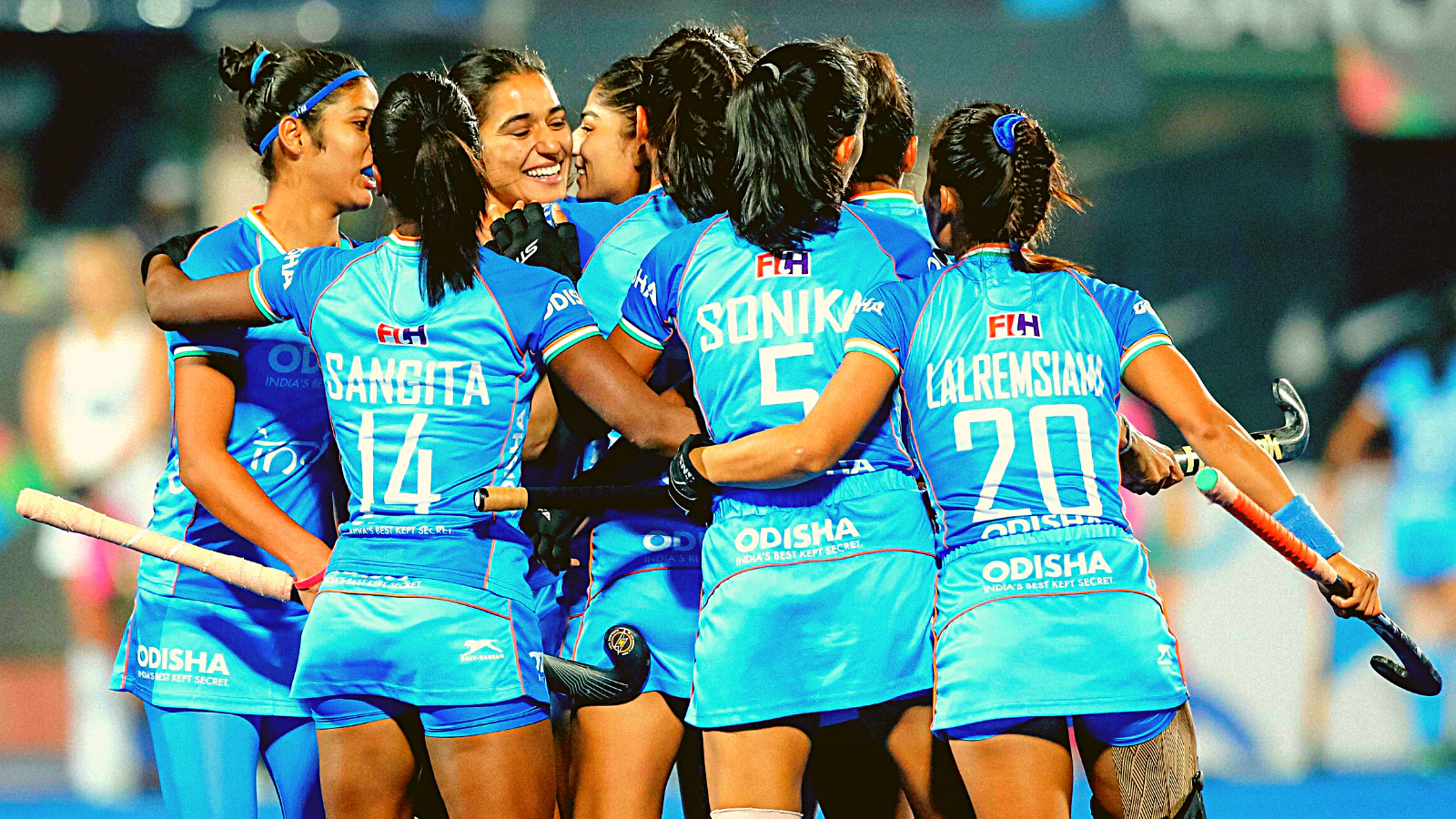
Before the World Cup, silver looked like the more realistic expectation for India at the 2026 Asian Games. China had been the stronger Asian side in recent times, while India still had enough questions around their attack to make gold feel like the harder outcome.
The World Cup changed that picture. India finished fifth, their best result at the tournament since 1974, and lost only once in six matches. They drew with China, England and Australia, restricted the Netherlands to two goals and finished by beating Germany 3-1. The biggest reason for the shift in expectation was the defence. India’s positioning, discipline and ability to stay compact under pressure gave them a base that held against stronger opposition.
The World Cup Paradigm Shift: From Silver Contenders to Gold Favorites
India left the World Cup with something more useful than a strong final placing. They showed that their defensive structure could survive sustained pressure from teams operating at a higher level than most of the opposition they will face at the Asian Games.
For Aichi-Nagoya, India should have more possession and territory against most Asian opponents while carrying the defensive habits that became such an important part of their World Cup campaign. The attack remains less convincing against stronger teams, particularly when India are pushed deeper and the forwards receive less service, but the defensive base gives the team a much stronger platform than it appeared to have before the tournament.
The Low-Block Shield: How India Restricted World’s Elite
The defensive evidence came across several different matches. England were held scoreless despite sustained pressure in the second half, Australia also failed to score, and the Netherlands managed only two goals. China scored twice in the opening match, but India led twice before the game finished 2-2.
Those results were backed by the way India defended. Players stayed connected, the team rarely became stretched and there were very few costly mistakes around the circle. India were often forced deeper against stronger sides, yet they continued to protect dangerous spaces and make opponents work for clear chances.
The China game is the most relevant example for the Asian Games. India went ahead twice and then had to defend for long periods as China pushed higher. The pressure increased late in the match, but India stayed in shape and came away with a draw.
The performance against China showed India can survive the type of game they are likely to face if the two teams meet again in the final. China may have more possession and territory, but India have already shown they can stay alive in that situation.
Read More: Asian Games 2026 Women’s Hockey Schedule: Pools and Fixtures
Neutralising China: The One Tactical Test Standing Between India and Gold
China remain the biggest threat to India’s gold-medal hopes. They are Paris 2024 Olympic silver medallists and had been the stronger Asian reference point before the World Cup, so one disappointing tournament should not change how seriously they are treated.
The World Cup meeting still reduced some of the gap between the two teams. India led twice and showed that China could be contained even when they controlled long periods of possession. For a likely one-off final, that is important because India’s best route to gold may come through the same kind of tight, disciplined game.
China are also the Asian opponent most capable of pushing India deep enough to affect the attack. If that happens, the forwards may again receive limited service and India may have to make the most of a small number of clear chances. The defensive performance at the World Cup gives them a realistic way to handle that scenario.
The Path of Least Resistance: Why India’s Group Setup Suits Their Rhythm
India and China are in different pools, which gives India a favourable early path. Japan are the strongest opponent in India’s group, but India should still enter the pool stage expecting to qualify comfortably and reach the semi-finals without having to solve the China problem early.
The likely semi-final should also be one India enter as favourites if the tournament broadly follows the expected Asian hierarchy. That makes the final the obvious point where the tournament becomes genuinely difficult.
The draw suits India because their strongest World Cup trait was defensive control rather than overwhelming attacking power. They should have enough quality to progress through the earlier rounds, then rely on the same discipline and positioning when the level rises in the final.
Read More: How India Women Turned Heads at the 2026 World Cup
Service Deficits in Deep Positions: Converting Scarce Chances Against China

The main concern remains the attack against stronger opposition. At the World Cup, India were often pushed into deeper defensive positions, which reduced service to the forwards and made sustained attacking pressure difficult.The effect was clear against the Netherlands and Australia. India spent long periods defending and had fewer opportunities to establish possession around the opposition circle. The forwards therefore worked with fewer chances and less consistent support.
Most Asian Games opponents should allow India to play higher up the pitch and create more attacking volume. China are the exception. If China again force India deeper, finishing becomes more important because the number of clear chances may be limited.
India’s defensive structure gives the team a realistic route through that problem. A final that stays 0-0 or 1-1 deep into the second half keeps India in a position where one field goal, one penalty corner or a shootout can decide the tournament. The attack only needs to provide enough in one close match for the defensive base to matter.
Read More: Hockey Must Explain Match-Changing Umpiring Decisions to Fans
The Defensive Platform Is Built: Time to Claim Asian Gold
Before the World Cup, silver looked like the safer prediction because China had the stronger recent record and India still had questions about how they would cope against stronger opposition. India return from the World Cup with much stronger evidence from a campaign in which they lost only once, kept England and Australia scoreless, restricted the Netherlands to two goals and led China twice before drawing.
The attack still leaves some uncertainty, especially if China restrict the supply to the forwards. India’s defence now gives them a much clearer route through that problem.
If the positioning, discipline and lack of defensive errors from the World Cup carry into Aichi-Nagoya, India should reach the latter stages with confidence and approach a likely final against China believing they can win it. Silver may have looked like the realistic expectation before the World Cup. Gold now looks firmly within reach.
Get our content directly in your inbox by subscribing to us on Substack, no fluff, just hockey




Comments are closed for this article.